The Science of Fading: What Happens Under Your Skin?
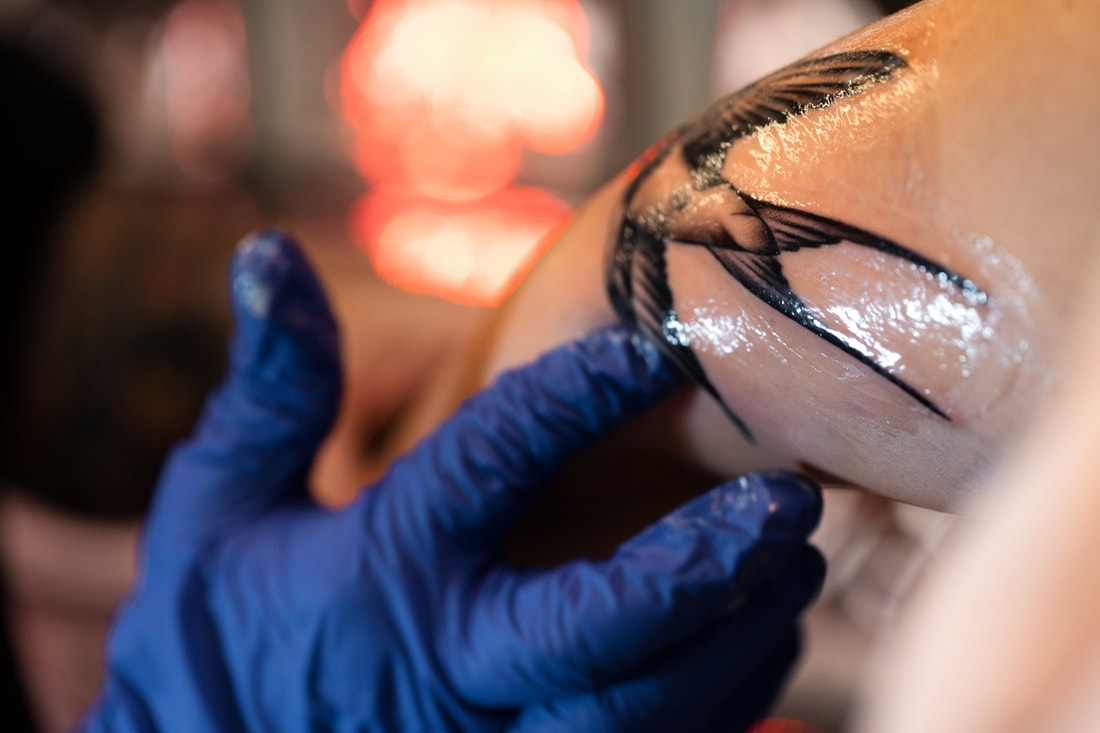
When a tattoo is applied, ink is deposited into the dermis, the second layer of skin, where the cells are more stable than the constantly regenerating epidermis. Macrophages, a type of white blood cell, are immediately dispatched to the tattooed area to engulf the foreign ink particles. While some ink is carried away by the lymphatic system, a significant portion remains trapped within these macrophages and fibroblasts, which are fixed cells in the dermis. This encapsulation is what gives a tattoo its initial permanence, holding the pigment in place. However, this isn't a static situation, and the ink particles do shift and break down over many years.
Over time, these ink-laden macrophages and fibroblasts can die and be replaced by new cells, or the encapsulated ink particles themselves can gradually fragment into smaller pieces. These smaller particles are then more easily processed and removed by the body's lymphatic system, contributing to the overall lightening of the tattoo. The type of ink used can also play a role; some pigments have larger particle sizes and are more resistant to breakdown, while others, particularly those with smaller particle sizes or made from organic compounds, might fade more quickly. This cellular turnover and ink degradation process is a continuous, albeit slow, cycle that underpins natural tattoo fading.
Sun Exposure: The Number One Enemy of Tattoo Longevity
Ultraviolet (UV) radiation from the sun is arguably the most significant external factor contributing to tattoo fading. When UV rays penetrate the skin, they break down the ink particles in a process similar to how they fade dyed fabrics. UVA rays, which penetrate deeper, and UVB rays, which are more associated with sunburn, both contribute to this degradation. This breakdown causes the ink particles to become smaller and more susceptible to removal by the body’s immune system, leading to a noticeable lightening and blurring of the tattoo over time. The vibrancy of colors, especially lighter hues like yellows, reds, and light blues, is particularly vulnerable to sun damage, often appearing duller or even completely disappearing.
Protecting your tattoos from sun exposure is paramount for maintaining their vibrancy. Applying a broad-spectrum sunscreen with an SPF of at least 30, and ideally 50 or higher, is crucial whenever your tattoo is exposed to direct sunlight. Reapplication every two hours, or more frequently if swimming or sweating, is essential. Additionally, wearing clothing that covers your tattooed skin, such as long-sleeved shirts or pants, can provide an excellent physical barrier against harmful UV rays. This proactive approach to sun protection is not just about aesthetics; it also helps to safeguard your skin from sun damage, which can prematurely age tattoos and even lead to health concerns.
The Impact of Skin Health and Lifestyle Choices
The overall health and condition of your skin significantly influence how well your tattoo ages. Dry, unhealthy skin can accelerate fading because its cellular renewal process might be less efficient, leading to a faster turnover of ink-bearing cells. Conversely, well-hydrated, nourished skin provides a more stable environment for the ink. Lifestyle choices also play a crucial role; for example, smoking can restrict blood flow and oxygen to the skin, impeding its natural regenerative processes and potentially causing tattoos to dull and fade more rapidly. A balanced diet rich in antioxidants and vitamins can support skin health, offering a better foundation for tattoo longevity.
Hydration, both internal and external, is critical. Drinking adequate water helps maintain skin elasticity and overall health, while regularly moisturizing your tattooed skin with a fragrance-free lotion keeps it supple and less prone to flaking or dryness. Avoid harsh exfoliants on tattooed areas, as they can physically remove superficial layers of skin and potentially pull out ink particles over time. A healthy lifestyle, including regular exercise and a balanced diet, contributes to vibrant skin and, by extension, vibrant tattoos. These daily habits, while seemingly small, accumulate to have a profound effect on how your tattoo looks years down the line.
Placement Matters: Where Tattoos Fade Fastest
The location of a tattoo on your body can significantly influence its rate of fading. Areas that experience frequent friction and rubbing, such as hands, feet, inner thighs, elbows, and knees, tend to fade more quickly due to the constant exfoliation and skin turnover in these high-traffic zones. Think about how often you wash your hands or how your shoes rub against your feet; this constant abrasion subtly but surely contributes to ink displacement. Tattoos on these areas often require touch-ups sooner than those on more protected parts of the body, potentially within 3-5 years compared to 8-10 years for less exposed placements.
Conversely, tattoos on areas with less friction and sun exposure, such as the upper back, inner bicep, or rib cage, generally maintain their vibrancy for much longer. These spots are typically covered by clothing, shielding them from UV rays and reducing daily wear and tear. When planning a tattoo, considering how a specific placement might affect its long-term appearance can be a valuable part of the decision-making process. While aesthetic preference is important, understanding the practical implications of placement on fading can help manage expectations and inform aftercare strategies.
Ink Quality and Application: Foundation for Longevity
The quality of the tattoo ink itself is a fundamental factor in how well a tattoo resists fading. High-quality, reputable ink brands use pigments with stable compositions and consistent particle sizes, which are designed to last longer in the skin. Cheaper or unapproved inks may contain lower-grade pigments that break down more easily or are more quickly expelled by the body, leading to faster fading. While impossible for the client to verify, a reputable tattoo artist will always use high-quality, professional-grade inks from established manufacturers. For example, some black inks use carbon-based pigments that are incredibly stable, providing excellent longevity, whereas some reds and yellows can be more prone to breaking down over time.
The skill of the tattoo artist during application also plays a crucial role. If the ink isn't deposited deeply enough into the dermis, it will reside in the more rapidly regenerating epidermis, causing it to fade much faster, often within months rather than years. This 'blowout' or shallow application means the ink particles are not adequately encapsulated. An experienced artist knows the precise depth required to ensure the ink settles correctly for optimal longevity. Conversely, if the artist goes too deep, it can cause 'blowout,' where the ink spreads out under the skin, creating a blurry appearance. Proper depth and even saturation are essential for a tattoo to age well and maintain its crispness and color.
Managing Natural Fading: Practical Steps You Can Take
While some natural fading is inevitable, there are proactive steps you can take to significantly slow down the process and keep your tattoos looking their best for as long as possible. The most impactful measure is consistent sun protection. Always use a broad-spectrum SPF 30+ sunscreen on exposed tattoos, reapplying every two hours. Consider investing in UV-protective clothing, especially for larger pieces or those on frequently exposed areas. This simple habit alone can add years to your tattoo's vibrancy, preventing the premature breakdown of ink particles caused by harmful UV rays. Think of it as an ongoing commitment to preserving your skin art.
Beyond sun protection, maintaining excellent skin health is crucial. Hydrate your skin daily with a good quality, fragrance-free moisturizer. Dry skin can appear dull and make tattoos look less vibrant, while well-hydrated skin reflects light better, making colors pop. Avoid harsh chemicals or abrasive exfoliants on tattooed areas, as these can prematurely wear away ink. Additionally, a healthy lifestyle, including a balanced diet and adequate hydration, contributes to overall skin health and can indirectly support tattoo longevity. Regular gentle cleansing also helps keep the skin clear and can prevent dullness. These combined strategies create an optimal environment for your tattoos to thrive.
The Role of Touch-Ups: Reviving Your Artwork
Even with the best care, tattoos will eventually require a touch-up to restore their original vibrancy and crispness. This is a normal and expected part of owning a tattoo, especially for pieces that are several years old or those in high-friction areas. Artists typically recommend waiting at least 3-5 years before considering a touch-up, though some high-wear areas might need it sooner, perhaps around the 2-year mark. During a touch-up, the artist will go over faded lines and colors, reinforcing the pigment and bringing the artwork back to life. The cost of a touch-up can vary significantly, ranging from a nominal fee of $50-$150 for minor work, often just covering supplies and setup, to several hundred dollars for extensive re-saturation of a large, complex piece.
When scheduling a touch-up, it’s advisable to return to your original artist if possible, as they are familiar with their own work and the specific inks and techniques used. If that’s not an option, seek an artist with a strong portfolio showcasing successful cover-ups or reworks. Discuss your expectations openly, providing reference photos of the tattoo when it was fresh to guide the artist. A touch-up isn't just about adding more ink; it's about skillfully restoring the nuances of the original design. This process is an investment in the longevity of your body art, ensuring it continues to look as striking and meaningful as the day you first got it.