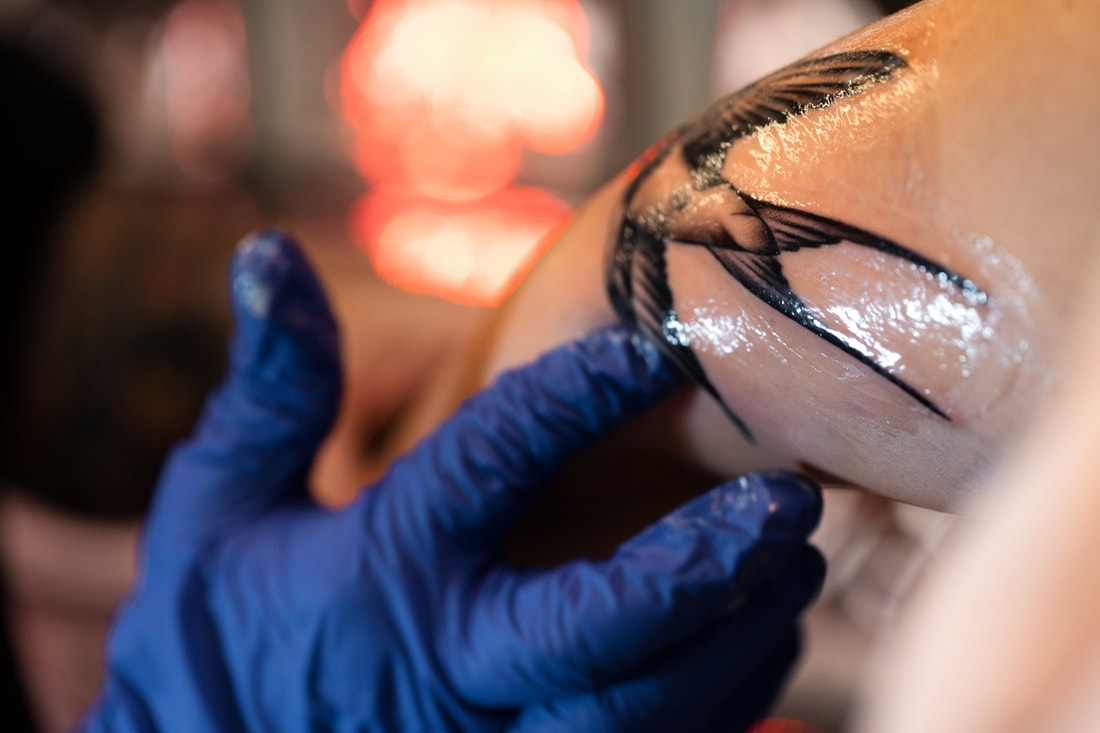
For decades, the standard tattoo aftercare regimen involved diligent washing, moisturizing, and the ubiquitous saran wrap or gauze. This traditional method, while effective, often presented challenges: leaked ink on sheets, accidental bumps, and the constant vigilance required to keep the tattoo clean and hydrated. Then came the 'second skin' revolution.
These thin, adhesive films, most famously branded as Saniderm and Tegaderm, are medical-grade dressings designed to create a moist healing environment. They're permeable to oxygen and water vapor but impermeable to bacteria and water, allowing the wound to breathe while protecting it from external contaminants. The concept isn't entirely new; moist wound healing has been a cornerstone of medical practice for decades, proven to accelerate cell regeneration and reduce scarring. Applying this principle to tattoos was a natural, albeit profoundly impactful, evolution.
At its core, a second-skin wrap functions as a semi-permeable membrane. It adheres directly to the skin, forming a seal over the fresh tattoo. This seal traps the plasma and ink that would typically ooze out during the initial healing phase, creating a nutrient-rich, moist environment underneath the film. This autolytic debridement process allows the body's own enzymes to break down dead tissue, promoting faster and more efficient healing.
Crucially, the film’s breathability prevents maceration (skin softening due to prolonged moisture exposure) which can be a risk with non-permeable coverings. Oxygen can still reach the wound, vital for cellular function and tissue repair, while the barrier function prevents bacteria from entering. Think of it as a custom-fitted, invisible shield, allowing your skin to do what it does best – heal itself – with an added layer of sophisticated protection. This sophisticated interplay of material science and biology is what sets these wraps apart from their low-tech predecessors.
Applying a second-skin wrap requires careful attention to detail for optimal results. First, ensure the tattoo and surrounding skin are thoroughly cleaned and completely dry. Any residual moisture can compromise adhesion and create a breeding ground for bacteria. Your artist will typically apply the first piece immediately after tattooing.
When applying subsequent pieces at home, cut the wrap to size, leaving at least a one-inch margin around the entire tattoo. Peel off the backing, starting from one edge, and gently lay the adhesive side onto the skin, smoothing it out to prevent wrinkles or air bubbles. These imperfections can trap fluid or create weak points in the barrier. Overlapping pieces by about half an inch is crucial if your tattoo is larger than a single sheet, ensuring a continuous, impenetrable seal. Many artists, like the acclaimed Mira Mariah of Fleur Noire Tattoo in NYC, are meticulous about this initial application, recognizing its critical role in the healing journey.
The initial application of second skin is typically left on for 24 hours, sometimes up to 48 hours, depending on the artist's recommendation and the amount of exudate (plasma and ink) collected. It’s normal to see a murky, dark fluid pooling beneath the wrap – this is the beneficial plasma and ink doing its work.
After the first 24-48 hours, the initial wrap should be carefully removed. Clean the tattoo with a gentle, unscented antibacterial soap, pat it dry completely, and then apply a fresh piece of second skin. This second application can remain on for up to five to six days, bringing the total healing time under wrap to approximately a week. Some artists may even suggest a third application for an extended period, particularly for larger or more intricate pieces, pushing the total wear time to 8-10 days. The key is to monitor for any signs of irritation or excessive fluid build-up, adjusting the schedule as needed.
The advantages of second-skin wraps are compelling. Foremost is the superior protection they offer against bacteria, dirt, and friction, significantly reducing the risk of infection and damage during the crucial initial healing phase. This makes them particularly appealing for active individuals or those working in environments where exposure to contaminants is high.
Furthermore, the moist healing environment they create is scientifically proven to expedite healing and minimize scabbing, often resulting in crisper lines and more vibrant colors. Clients report significantly less discomfort, itching, and dryness compared to traditional methods. The convenience factor is also undeniable: no constant moisturizing, no messy stains, and the ability to shower and go about daily activities with far less interference. Many tattoo enthusiasts credit brands like Dermalize Pro with dramatically improving their healing experiences, allowing for a more seamless integration of new art into their lives.
While highly beneficial, second-skin wraps aren't without their considerations. The most common issue is skin irritation or allergic reactions to the adhesive. Although these wraps are hypoallergenic for most, some individuals may develop redness, itching, or small blisters. If you experience these symptoms, remove the wrap immediately.
Another potential drawback is the cost, as these medical-grade films are more expensive than traditional aftercare products. Improper application, leading to trapped air or fluid, can also create an environment conducive to bacterial growth, negating the benefits. For those with extremely sensitive skin or known allergies to medical adhesives, a patch test prior to full application is always recommended. It's crucial to distinguish between normal fluid collection and signs of infection, such as excessive redness spreading beyond the wrap's edge or pus. When in doubt, always consult your tattoo artist or a medical professional.
For individuals with known sensitivities to adhesives, or those who simply prefer a more hands-on approach, traditional aftercare remains a viable and effective option. This method typically involves washing the tattoo 2-3 times a day with antibacterial soap, followed by the application of a thin layer of a fragrance-free, water-based lotion or ointment.
The primary challenges with traditional aftercare include the increased risk of exposure to environmental contaminants, the potential for excessive scabbing, and the need for consistent reapplication of healing balms. However, it offers greater control over the skin's moisture levels and avoids any potential reactions to adhesives. Ultimately, the choice between second-skin and traditional aftercare often comes down to personal preference, skin sensitivity, and lifestyle, though many artists, including those at studios like Bang Bang NYC, have increasingly adopted second-skin as their preferred method due to its proven efficacy.
Second-skin wraps like Saniderm and Tegaderm have undeniably revolutionized tattoo aftercare, offering a cleaner, more efficient, and often more comfortable healing experience. Their ability to protect new ink from external threats while creating an optimal moist healing environment is a significant advancement over traditional methods.
However, they are not a one-size-fits-all solution. Understanding their proper application, potential drawbacks, and knowing when to seek professional advice are paramount. When used correctly, these wraps can profoundly enhance the healing process, ensuring your meticulously chosen tattoo emerges vibrant and unblemished. Always follow your artist's specific instructions, as they are best equipped to guide you through the optimal aftercare for your unique tattoo and skin type.