The Unseen Enemy: UV Radiation and Your Ink
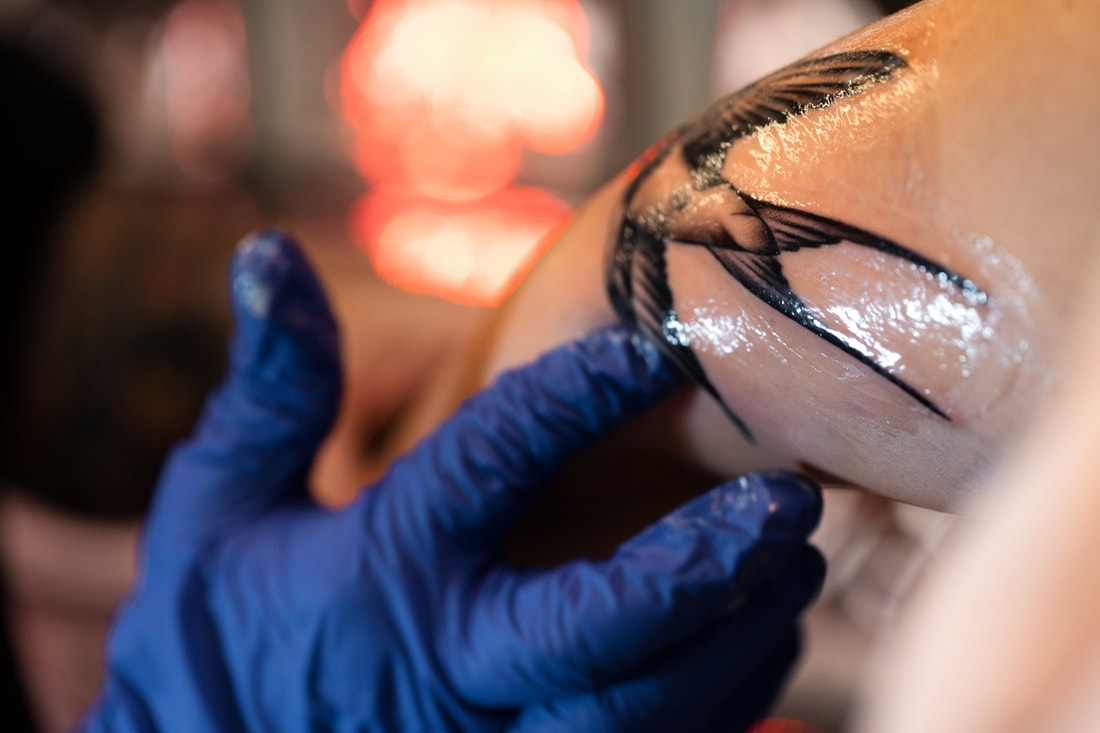
For centuries, tattoos have been a testament to personal stories, milestones, and artistic expression. From the intricate tribal designs of ancient Polynesian cultures to the hyper-realistic portraits gracing bodies today, the artistry is undeniable. Yet, the longevity of this art, its crispness, and its original vibrancy, hinges on a crucial, often underestimated, element: sun protection. Imagine investing hundreds, even thousands, of dollars and countless hours in a bespoke piece, only to see it dull, blur, and fade under the relentless assault of ultraviolet radiation. It's a preventable tragedy that befalls countless tattoos each year. Just as a museum safeguards priceless paintings from environmental degradation, we must adopt a proactive stance in preserving our inked masterpieces. This isn't just about preventing a minor tan; it's about combating cellular damage that directly compromises the integrity of the pigment within your skin.
Understanding the Science of Fading
The sun's ultraviolet (UV) rays are the primary culprits behind tattoo fading. Both UVA and UVB rays penetrate the skin, breaking down the tattoo pigment molecules. UVA rays, which constitute about 95% of the UV radiation reaching the Earth's surface, are responsible for long-term skin damage and premature aging, contributing significantly to the gradual dulling and blurring of tattoos. UVB rays, though less prevalent, are more intense and are the main cause of sunburn, which can lead to immediate and dramatic fading, especially in newer tattoos. These rays don't just sit on the surface; they delve into the dermis, where tattoo ink resides, initiating a destructive process at a microscopic level. Think of it like a persistent chemical reaction, slowly eroding the vibrant colors and sharp details you so painstakingly acquired. The degree of fading is directly proportional to the intensity and duration of sun exposure, making consistent protection paramount.
The SPF Sweet Spot: Aim High
When selecting a sunscreen, the SPF (Sun Protection Factor) is your first line of defense. For tattoos, we're not aiming for minimal protection – we're targeting maximum safeguarding. A broad-spectrum SPF of 30 is the absolute minimum recommendation, blocking approximately 97% of UVB rays. However, for genuinely robust protection, particularly during extended sun exposure or for highly saturated, color-rich pieces, an SPF of 50 or higher is the gold standard. An SPF 50 sunscreen blocks roughly 98% of UVB rays, a seemingly small increase from SPF 30, but one that translates to significantly more protection over time. Consider a scenario where you're at an outdoor festival for six hours; that extra 1% or 2% can mean the difference between a slightly dulled tattoo and one that has noticeably faded. Brands like La Roche-Posay Anthelios Melt-in Milk Sunscreen SPF 60 or EltaMD UV Clear Broad-Spectrum SPF 46 are frequently recommended by professional tattoo artists for their efficacy and gentle formulations.
Mineral vs. Chemical: A Tactical Choice
The choice between mineral and chemical sunscreens often sparks debate, but for tattoo longevity, both have their merits. Mineral sunscreens, containing zinc oxide and titanium dioxide, create a physical barrier on the skin's surface, reflecting UV rays. They are generally considered gentler, less likely to irritate sensitive skin or trigger allergic reactions, making them ideal for individuals with a history of skin sensitivities or those with very new, fully healed tattoos. However, they can sometimes leave a white cast, particularly on darker skin tones, though newer formulations have made strides in reducing this effect. Chemical sunscreens, on the help of active ingredients like oxybenzone, avobenzone, and octinoxate, absorb UV radiation and convert it into heat, which is then released from the skin. These tend to be more cosmetically elegant, blending seamlessly without a white residue. The crucial factor is broad-spectrum protection, ensuring defense against both UVA and UVB rays, regardless of the active ingredients. For example, brands often formulate sunscreens with both mineral and chemical filters to offer comprehensive protection without the drawbacks of either single type.
Healed vs. Healing: Addressing the Vulnerability
The distinction between a healing tattoo and a fully healed tattoo is critical when it comes to sun protection. A healing tattoo, typically in the first 2-4 weeks after application, is an open wound. Direct sun exposure during this crucial period can not only cause severe fading due to pigment instability but also lead to infection, blistering, and permanent scarring. During the initial healing phase, the only truly safe sun protection is complete avoidance. This means wearing loose-fitting, dark clothing that physically blocks the sun's rays and staying in the shade as much as possible. Sunscreen should absolutely *not* be applied to a fresh, healing tattoo, as the chemicals can irritate the delicate, compromised skin and impede the natural healing process. Once a tattoo is fully healed – roughly 4-6 weeks post-application, and confirmed by your artist – then and *only then* can sunscreen be introduced into your routine. Even then, start with a patch test to ensure no adverse reactions.
Application: More Than a Light Smear
Consistent and generous application is key to maximizing sunscreen's protection. As a general rule, aim for approximately one ounce of sunscreen, roughly a shot glass full, to cover the entire body. For a single tattoo, especially a larger piece, this might translate to a grape-sized dollop applied evenly and thoroughly. Reapplication is just as critical. The
active
ingredients
in
sunscreen
break
down
over
time
and
can
be
wiped
or
washed
away
Sweat
swimming
and
towel
drying
all
diminish
its
effectiveness
Therefore
reapply
sunscreen
every
two
hours
or
immediately
after
swimming
or
excessive
sweating
even
if
the
product
claims
to
be
water-resistant
For
example
if
you're
spending
a
full
day
at
the
beach
you
should
be
applying
sunscreen
at
least
four
to
five
times
focusing
extra
attention
on
heavily
inked
areas
Don't
forget
often-missed
spots
like
the
tops
of
feet
ears
and
the
back
of
the
neck
especially
if
they
host
valuable
tattoo
real
estate
Beyond the Bottle: Complementary Protection Strategies
While sunscreen is an indispensable tool, it's not the only defense mechanism in your arsenal. Proactive behavioral changes can significantly minimize your tattoo's sun exposure. Seek shade whenever possible, especially during peak UV hours, typically between 10 AM and 4 PM. Even under cloudy skies, up to 80% of the sun's UV rays can penetrate, so don't be fooled by overcast weather. Clothing offers a substantial physical barrier; opt for tightly woven fabrics and darker colors, as they provide greater UV protection than light-colored, loosely woven alternatives. UPF (Ultraviolet Protection Factor) clothing, specifically designed to block UV radiation, is an excellent investment for dedicated tattoo enthusiasts. Consider a long-sleeved swim shirt for beach days or a stylish denim jacket for walks in the park. Accessories like wide-brimmed hats can protect neck and shoulder tattoos. These simple habits, when integrated into your daily routine, form a comprehensive shield against the sun's relentless assault, working synergistically with your chosen sunscreen to maximize the longevity of your ink.
Bottom Line: A Lifelong Commitment to Your Canvas
Preserving the vibrancy and integrity of your tattoos is an ongoing commitment, not a one-time application. It's a testament to your respect for the art and the artist, and a shrewd investment in the longevity of your personal narrative. By consistently applying a high-SPF, broad-spectrum sunscreen, understanding the nuances between mineral and chemical formulations, and integrating smart sun-protective behaviors, you dramatically reduce the risk of fading, blurring, and sun-induced damage. Your tattoos are more than just ink on skin; they are a canvas of your life, and like any priceless artwork, they deserve the utmost care and protection. Make sun protection a non-negotiable part of your daily routine, and your ink will remain as vivid and impactful as the day it was created, a testament to enduring art and diligent care.