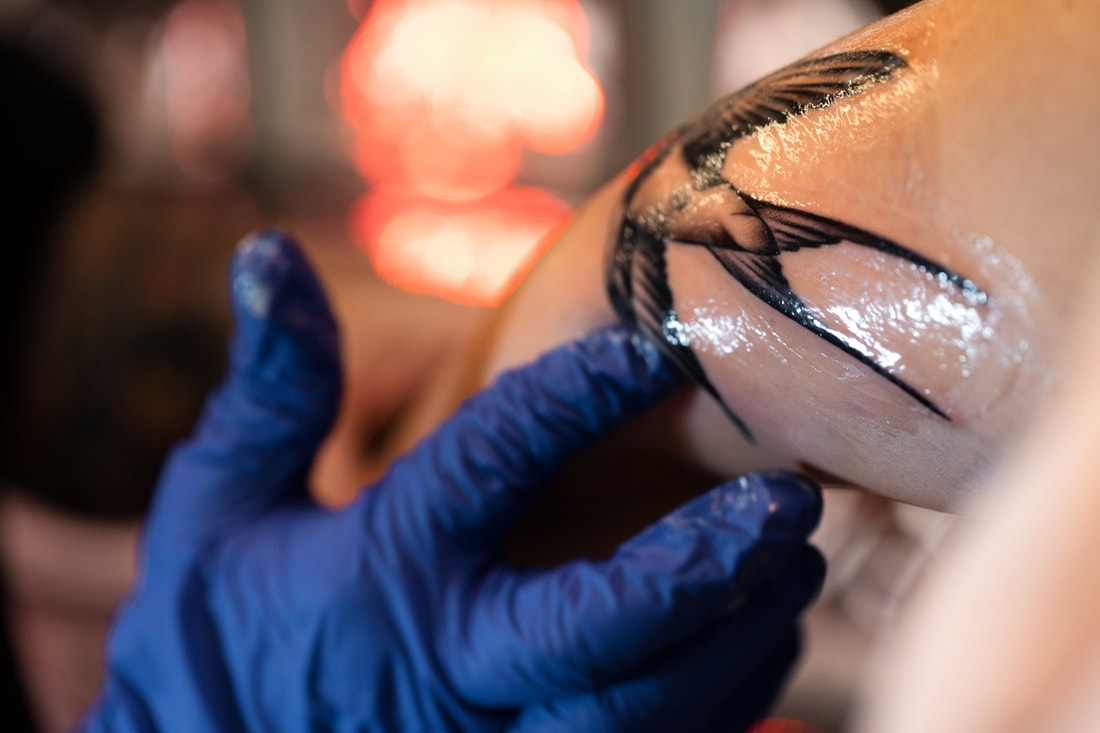
The canvas of your skin is as individual as the design etched upon it. While the allure of a fresh tattoo is universal, its journey to full integration is deeply personal, dictated in large part by your unique dermatological landscape. Generic aftercare advice, often a well-meaning but blunt instrument, can fall short, or even prove detrimental, when confronted with the specific demands of dry, oily, sensitive, or eczema-prone skin. This isn't just about avoiding infection; it's about optimizing the healing process to preserve the vibrancy, detail, and longevity of your investment. A bespoke approach to aftercare acknowledges that a perfectly healed tattoo isn't a matter of luck, but of tailored, informed care.
The Parched Canvas: Aftercare for Dry Skin
Often characterized by a tight, sometimes flaky texture, dry skin types present a particular challenge for tattoo aftercare. The stratum corneum, the outermost layer of the epidermis, has a compromised barrier function, leading to increased transepidermal water loss (TEWL). This means that a tattoo on dry skin is inherently more susceptible to excessive flaking and a duller appearance if not properly hydrated. The wound healing process itself, already an intensive biological undertaking, is further strained when the surrounding skin is parched.
The goal here is not merely to moisturize, but to fortify. During the initial 24-48 hours, a thin layer of a healing ointment like Aquaphor or A+D, applied sparingly, can create an occlusive barrier, preventing dehydration. After this initial phase, a switch to a fragrance-free, intensely hydrating lotion or cream is crucial. Consider products rich in ceramides and hyaluronic acid, such as CeraVe Moisturizing Cream or La Roche-Posay Lipikar Balm AP+. These ingredients work to rebuild the skin's natural barrier. Cleansing should be done with a gentle, non-foaming cleanser like Cetaphil Gentle Skin Cleanser to avoid stripping essential oils. Over-moisturizing, however, can lead to maceration, so the key is consistent, thin applications—typically 3-4 times daily for the first two weeks, tapering off as healing progresses.
The Delicate Touch: Aftercare for Sensitive Skin
Sensitive skin is characterized by a heightened reactivity to various stimuli, manifesting as redness, itching, burning, or stinging. For tattooed individuals with this skin type, the challenge lies in choosing products that support healing without triggering an inflammatory response. This often means avoiding common irritants found in many aftercare products, such as artificial fragrances, dyes, lanolin, and certain preservatives.
Patch testing any new product on a small, inconspicuous area of skin *before* applying it to the tattoo is an absolute imperative. When selecting cleansers, opt for ultra-gentle, pH-balanced formulas designed for sensitive skin, such as Vanicream Gentle Facial Cleanser or Eucerin Advanced Cleansing Body and Face Wash. For moisturization, look for products specifically labeled 'hypoallergenic' and 'fragrance-free.' Brands like Aveeno, renowned for its colloidal oatmeal formulations, offer soothing properties. Balms containing ingredients like shea butter and calendula can be beneficial, but again, check for irritants. Dr. Woo, known for his delicate single-needle work, often recommends simple, natural balms, emphasizing minimal ingredients. The healing timeline may extend slightly, with symptoms like mild itching being more pronounced; resist the urge to scratch at all costs, as this can severely compromise the tattoo's integrity and introduce infection.
Caring for Compromised Skin: Tattoo Aftercare with Eczema
Eczema, or atopic dermatitis, is a chronic inflammatory skin condition characterized by dry, intensely itchy, and often red or flaky patches. Tattoos on eczema-prone skin present the most complex aftercare scenario, as the skin's barrier function is severely impaired, and the immune system is often hyper-reactive. The act of tattooing itself, which creates micro-traumas, can potentially trigger an eczema flare-up, making meticulous and preventative care paramount.
Before even undergoing tattooing, individuals with severe eczema or active flare-ups should consult with both their dermatologist and tattoo artist. Many artists, like the fine-line specialist Miryam Lumpini, advocate for extreme caution and sometimes refuse to tattoo over active eczema patches. The aftercare regimen must prioritize gentle cleansing and intense, barrier-repairing moisturization. Use lukewarm water and a soap-free, emollient cleanser such as Cerave Hydrating Cleanser or Dove Sensitive Skin Beauty Bar. Immediately after cleansing, while the skin is still damp, apply a thick layer of a rich emollient designed for eczema, such as Vaseline Clinical Care Extremely Dry Skin Rescue Lotion or Eucerin Eczema Relief Cream. Colloidal oatmeal baths can also be soothing. Avoid tight clothing that could irritate the healing area, and keep the skin protected from extreme temperatures. The healing process can be significantly protracted, potentially extending to 4-6 weeks for initial surface healing, with full integration taking several months. Any sign of increased redness, pus, or severe itching beyond typical healing should prompt immediate medical consultation, as it could indicate an infection or a severe eczema flare-up impacting the tattoo.
Red Flags: When to Seek Professional Help
Regardless of skin type, certain warning signs demand immediate attention. Persistent redness or swelling beyond the first 48-72 hours, especially if accompanied by increased pain or heat, can indicate an infection. Streaks of red emanating from the tattoo site are a definitive red flag for cellulitis, a bacterial skin infection that requires prompt antibiotic treatment. Pus-filled blisters or open sores are also clear indicators of infection.
Unusual scabbing, particularly thick, crunchy scabs that lift easily and expose raw flesh, can compromise the tattoo's integrity. While some itching is normal during healing, severe, unrelenting itching, especially if accompanied by a rash spreading beyond the tattoo, might signal an allergic reaction to the ink or aftercare products. Fever or flu-like symptoms are systemic signs of infection and necessitate immediate medical evaluation. Always contact your tattoo artist if you have concerns, as they can often provide initial guidance, but do not hesitate to seek professional medical advice from a doctor or dermatologist for any severe or persistent symptoms.
The Bottom Line: Tailored Care for Lasting Art
The meticulous care invested in the initial weeks post-tattoo is directly proportional to the longevity and vibrancy of your body art. Understanding your skin type isn't merely an academic exercise; it's a foundational step in building an aftercare regimen that supports optimal healing. From the occlusive barriers for dry skin to the oil-regulating strategies for oily skin, the hypoallergenic vigilance for sensitive types, and the intensive barrier support for eczema-prone canvases, each approach is a testament to personalized care. Remember, a perfectly healed tattoo is a collaboration between artist, ink, and your informed commitment to its aftercare. Your skin is a living, breathing canvas; treat it with the informed respect it deserves, and your tattoo will retain its brilliance for years to come.