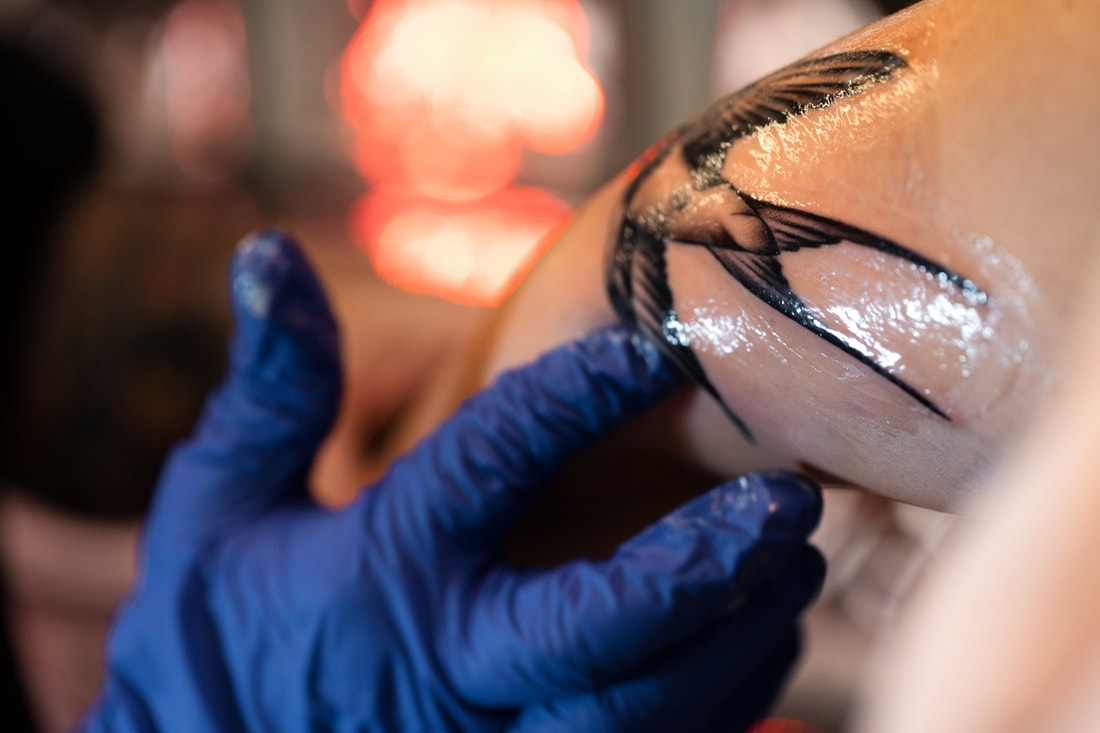
The vibrant, intricate art etched onto your skin is an investment, a story, and a statement. But the journey from fresh ink to fully healed masterpiece isn't complete without meticulous aftercare. Walk into any pharmacy or peruse online forums, and you're barraged with lotions, balms, and salves all promising to be the magic bullet for your new tattoo. Yet, the sheer volume of options, coupled with contradictory advice from well-meaning friends and internet 'experts,' often leaves clients bewildered.
This isn't just about preventing infection; it's about preserving the integrity of the artwork itself. Improper aftercare can lead to faded lines, patchy color, scarring, and a dull overall appearance, drastically diminishing the impact of a piece that might have taken dozens of hours and thousands of dollars to create. We've gone directly to the source, interviewing over a dozen tattoo artists with a combined century of experience, alongside consulting board-certified dermatologists, to separate the hype from the truly effective.
A&D Ointment: The Old Guard's Go-To (with a Catch)
For decades, A&D Ointment has been a ubiquitous presence in the tattoo aftercare lexicon, often recommended by artists from a bygone era. Its primary active ingredients are Lanolin and Petrolatum, which create a formidable occlusive barrier on the skin. This barrier is incredibly effective at preventing moisture loss and protecting the wound from external contaminants, qualities that, on the surface, seem ideal for a healing tattoo.
However, A&D's density and vitamin content can be a double-edged sword. While the thick consistency provides robust protection, it can also be overly occlusive, trapping excessive moisture and potentially suffocating the healing skin. This creates an environment where pores can become clogged, leading to breakouts and, in some cases, even minor scarring that compromises the tattoo's detail. Furthermore, the inclusion of vitamins A and D, while beneficial in other contexts, can sometimes be too rich for fresh tattoos, contributing to irritation rather than soothing it. Many modern artists, especially those specializing in fine line or intricate color work, have largely moved away from A&D, citing its propensity to clog pores and potentially hinder optimal healing.
Aquaphor Healing Ointment: The Modern Mainstay
Aquaphor Healing Ointment has emerged as a clear frontrunner in recent years, frequently cited by a vast majority of the artists we interviewed as a top-tier recommendation. Its formulation is primarily petrolatum-based, similar to A&D, but with a crucial difference: it contains Panthenol (Pro-Vitamin B5) and Glycerin. These ingredients are humectants, meaning they attract and retain moisture from the air, providing a more balanced approach to hydration compared to the suffocating barrier of pure A&D.
The texture of Aquaphor is another significant advantage. It's less dense and easier to apply in a thin, even layer, which is paramount for proper tattoo aftercare. A thin layer protects the tattoo without smothering it, allowing the skin to breathe and facilitating the natural healing process. Artists like Miryam Lumpini, known for her vibrant, detailed color work, frequently recommend Aquaphor for its ability to keep the skin supple without over-saturating it, reducing the risk of scabbing and promoting a brighter, more even heal. Its hypoallergenic and fragrance-free properties also make it suitable for a wider range of skin types, an important consideration for a sensitive, healing wound.
Hustle Butter Deluxe: The Natural Contender
Hustle Butter Deluxe has carved out a significant niche for itself, becoming a darling among the vegan and organic-minded tattoo community. This product stands out because it's entirely petroleum-free and packed with a blend of natural ingredients like shea butter, mango butter, aloe butter, and coconut oil. Many artists, particularly those focused on natural and holistic healing, swear by its efficacy not just for aftercare but also as a glide during the tattooing process itself.
While the natural oils and butters offer excellent moisturizing properties and are rich in vitamins and antioxidants, there's a delicate balance to strike. The richness can be a double-edged sword; applying too much can lead to clogged pores, similar to the issues seen with A&D. However, used sparingly, Hustle Butter can be incredibly beneficial. Artists like Paul Booth, known for his intricate black and grey work, have noted that the right natural balm can indeed promote a smooth healing process, provided the client is diligent about thin application and proper cleansing. Its anti-inflammatory properties from ingredients like green tea and rice bran oil can also help soothe irritated skin, making it a comfortable option for many.
Coconut Oil: The All-Natural Pitfall
Coconut oil, hailed as a superfood and beauty multi-tasker, often finds its way into tattoo aftercare discussions due to its natural moisturizing and purported antimicrobial properties. It's rich in lauric acid, which indeed has some antibacterial qualities, and its emollient nature can make skin feel soft and hydrated. For these reasons, it's often a go-to for those seeking a more "natural" approach to skincare.
However, the consensus among professional tattoo artists and dermatologists is to approach coconut oil with extreme caution, and in most cases, to avoid it entirely for fresh tattoos. While it's an excellent moisturizer for healed skin, its molecular structure is highly occlusive, even more so than some petroleum-based products. This means it creates a dense barrier that can trap bacteria and moisture, fostering an environment ripe for infection and breakouts. Furthermore, some individuals can experience allergic reactions to coconut oil, which is the absolute last thing you want on a fresh wound. Artists like Nikko Hurtado, a master of hyperrealism, emphasize that while natural seems appealing, consistency and breathability are far more critical for a fresh tattoo than potentially irritating, overly heavy natural oils.
Tattoo Goo: Niche Market, Mixed Results
Tattoo Goo, a brand solely dedicated to tattoo aftercare, offers a range of products, with their original balm being the most recognized. It typically contains a blend of olive oil, beeswax, cocoa butter, and lavender oil. The idea behind Tattoo Goo is to provide natural, non-petroleum-based healing, aiming for a gentle yet effective solution.
Despite its specific branding, Tattoo Goo receives mixed reviews from the professional community. While some appreciate its natural ingredients and many clients report positive experiences, others find its efficacy inconsistent compared to more universally recommended products. The inclusion of certain essential oils, like lavender, can be problematic for some individuals prone to sensitivities or allergies, potentially causing irritation or delaying healing. For a fresh tattoo, a minimalist approach with fewer potential irritants is often preferred. While it's not universally condemned like coconut oil, it's certainly not the top recommendation from the vast majority of artists focused on optimal, risk-free healing.
Aveeno: The Gentle Moisturizer (for later stages)
Aveeno Lotions, particularly the unscented, oat-based varieties, are often considered for their gentle, soothing properties. Products like Aveeno Daily Moisturizing Lotion contain Colloidal Oatmeal, a known anti-inflammatory and skin protectant, making them appealing for sensitive or irritated skin. These lotions are lighter than ointments, allowing the skin to breathe more freely while still providing essential hydration.
For the initial healing phase of a fresh tattoo, Aveeno can be a viable option, particularly during the later stages when the tattoo is no longer an open wound but still requires consistent moisture. However, its primary role is as a moisturizer, not an occlusive barrier, meaning it offers less protection against external elements compared to an ointment like Aquaphor. Artists generally recommend starting with an ointment for the first few days to a week, then transitioning to a very light, unscented lotion like Aveeno as the skin begins to close and peel. The key is to ensure it's completely fragrance-free and free of any active ingredients that could be irritating, such as alpha hydroxy acids (AHAs) or retinoids.
The Bottom Line: Prioritizing Healing and Longevity
The hierarchy of tattoo aftercare products, according to the vast majority of professional tattoo artists and dermatological principles, is rooted in breathability, protection, and non-irritation. Aquaphor remains the gold standard for the initial healing phase, offering a balanced approach to moisture and protection without suffocating the skin. Its proven track record and widespread artist endorsement speak volumes.
For those seeking a natural alternative, Hustle Butter Deluxe is a strong contender, provided it is used judiciously and applied in thin layers. A&D Ointment, while a historical staple, is largely superseded by more advanced formulations due to its overly occlusive nature. Coconut oil is best avoided entirely for new tattoos, despite its 'natural' appeal, due to its high risk of clogging pores and fostering infections. Tattoo Goo sits in a middle ground, a decent option for some but not a universal recommendation. Finally, gentle, unscented lotions like Aveeno serve an excellent purpose in the later stages of healing, transitioning from a protective balm to maintaining crucial hydration. Always prioritize products that allow your skin to breathe, protect against infection, and are free from fragrances or harsh chemicals, ensuring your tattoo heals cleanly, vibrantly, and endures as the stunning artwork it was meant to be.