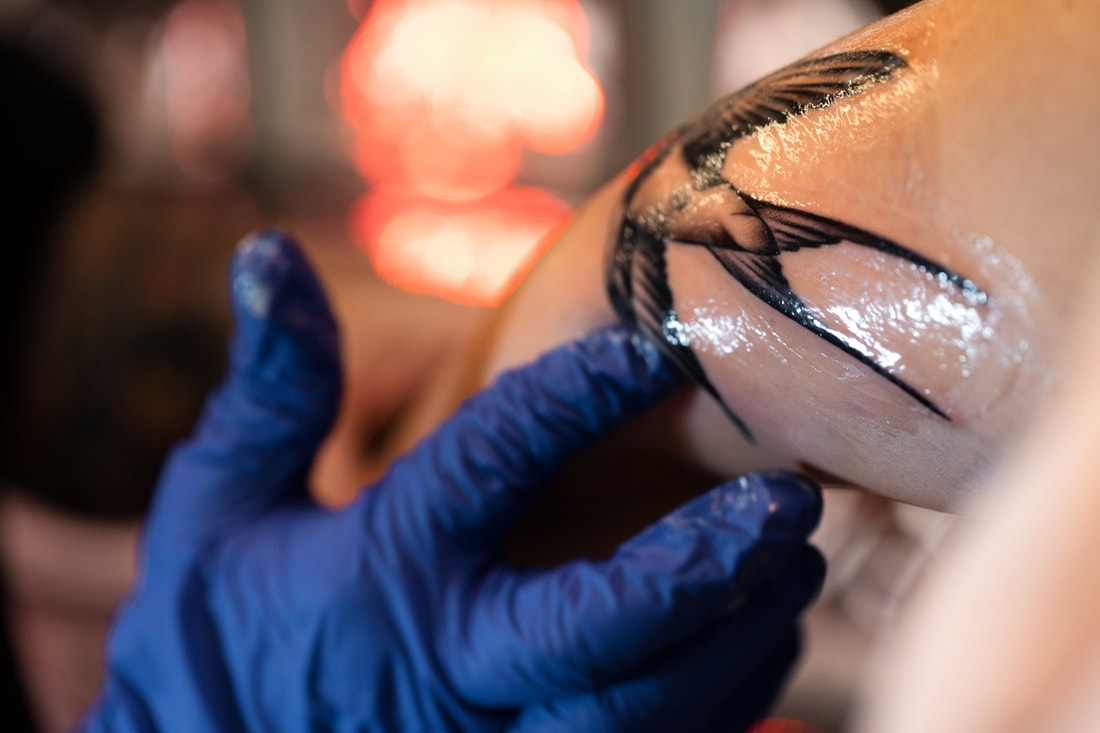
The canvas of human skin, once adorned with the intricate artistry of a tattoo, embarks on a delicate journey of healing. This journey, however, is not a static one; it's profoundly influenced by the very environment surrounding us. The shift from the scorching heat of July to the biting winds of January introduces a distinct set of challenges and considerations for aftercare. Neglecting these seasonal specificities can compromise the vibrancy of your new ink, potentially leading to dullness, infection, or even the need for costly touch-ups. With decades of collective experience in the tattoo world, we’ve witnessed countless healing narratives unfold, some pristine, others marred by preventable missteps related to the weather. Our purpose here is to equip you with the insights necessary to navigate these seasonal shifts, ensuring your tattoo heals not just adequately, but impeccably.
Summer's Scourge: Sun and Sweat
Summer, with its long, sun-drenched days and an undeniable allure of outdoor activities, poses a significant threat to a fresh tattoo. The primary culprits are twofold: excessive sun exposure and the omnipresence of sweat. Even a brief, unprotected stroll in July can expose your healing skin to harmful UV radiation, which can rapidly degrade the ink pigments, leading to premature fading. We've seen vibrant blues turn to muted grays within weeks if not properly shielded. Beyond mere fading, sunburn on a fresh tattoo is excruciatingly painful and can cause blistering, which significantly increases the risk of infection and permanent scarring.
Furthermore, the body's natural cooling mechanism – sweat – becomes a double-edged sword. While essential for thermoregulation, the constant moisture and the salts within sweat create an ideal breeding ground for bacteria. This is particularly problematic in areas prone to friction, such as inner elbows or behind the knees, where sweat can accumulate and remain. Gym enthusiasts, beware: that intense summer workout, while beneficial for your physique, can be detrimental to your healing tattoo, especially if proper hygiene isn't meticulously maintained, turning a clean wound into a potential bacterial hotspot. The constant dampness can also soften the delicate scabbing, leading to premature shedding of ink.
Winter's Woes: Dryness and Layers
As the calendar pages turn and temperatures drop, a new set of environmental challenges emerges. Winter's primary adversaries are dry indoor heat, the pervasive itch associated with dehydrated skin, and the often-unavoidable contact with heavy, restrictive clothing. Forced-air heating systems, common in most homes and offices, strip the air of its humidity, transforming indoor environments into arid deserts. This dry air pulls moisture directly from your skin, including the delicate healing tissue of your new tattoo. We've observed countless cases where tattoos healing in winter appear duller and more prone to flaking simply due to a lack of ambient humidity, compromising the skin barrier and potentially leading to microscopic cracks where bacteria can enter.
Furthermore, the urge to bundle up in layers of wool and other heavy fabrics, while essential for warmth, can create an equally problematic scenario. Constant friction from clothing against a new tattoo can irritate the healing skin, cause scabs to prematurely dislodge, and hinder the natural healing process. This is particularly true for tattoos on joints or areas of frequent movement where clothing constantly rubs. The insulative properties of these fabrics can also trap heat and moisture against the skin, creating a microclimate that, while not as extreme as summer sweat, can still foster bacterial growth if not managed carefully.
Embracing the Cold: Winter Aftercare Protocols
Counteracting winter's dryness demands a focused hydration strategy. Investing in a quality humidifier for your home, especially in the room where you spend most of your time, can make a significant difference. Aim for an indoor humidity level between 40-60%. Brands like Levoit or Honeywell offer reliable options. Directly on the tattoo, a thick, occlusive moisturizer is paramount, applied sparingly but frequently. We advocate for fragrance-free, hypoallergenic options such as Aquaphor Healing Ointment, A+D Original Ointment, or specialized tattoo balms like those from Hustle Butter Deluxe. The goal is to create a protective barrier that seals in moisture without suffocating the skin. Start with a pea-sized amount, gently massaging it in until absorbed, and reapply 3-5 times a day, or whenever the tattoo feels taut or dry.
When it comes to clothing, conscious choices are key. Opt for loose-fitting, breathable fabrics that won't chafe or constrict your healing tattoo. Cotton or bamboo base layers are excellent choices beneath warmer outer garments. Avoid direct contact of wool or other rough materials with your fresh ink. If a tattoo is on an area frequently covered by clothing, consider wrapping it with non-stick gauze secured with medical tape for the first few days to protect it from friction, changing the dressing regularly during cleaning sessions. Remember, breathability is crucial even in winter; avoid excessive layering that can cause overheating and subsequent sweating against the skin.
Year-Round Essentials: The Unchanging Pillars of Aftercare
Regardless of the season, there are universal aftercare tenets that form the bedrock of successful tattoo healing. Hand hygiene is non-negotiable; always wash your hands thoroughly with antibacterial soap before touching your new tattoo. This single act drastically reduces the risk of introducing pathogens. Gently cleaning the tattoo 2-3 times a day with a fragrance-free, antibacterial soap and lukewarm water remains a constant. Harsh scrubbing or abrasive cloths are strictly forbidden; instead, use the pads of your fingertips to lather and rinse. Patting dry with a fresh paper towel is superior to cloth towels, which can harbor bacteria and lint.
Resist the urge to pick or scratch your healing tattoo, no matter how tempting. This can pull out ink, create scarring, and open the door to infection. Allow scabs to flake off naturally. Also, avoid prolonged water immersion; baths, swimming pools, hot tubs, and saunas are absolute no-gos for at least 3-4 weeks, or until the tattoo is fully closed and no longer peeling. The risk of bacterial contamination from standing water, particularly in public pools and hot tubs treated with harsh chemicals, is extremely high. Short, lukewarm showers are acceptable, but minimize direct water pressure on the new ink. Finally, listen to your body and your artist's specific instructions. Every tattoo and every individual's healing process is unique.
Reading the Signs: Healthy Healing vs. Complications
Recognizing the signs of proper healing versus potential complications is critical. A healthy healing tattoo will typically exhibit mild redness, tenderness, and slight swelling for the first few days. It will then begin to scab and peel, much like a sunburn, usually between days 5-14. The skin beneath will appear somewhat shiny and perhaps a bit hazy at first, gradually settling into its final appearance. Conversely, signs of trouble include escalating redness, persistent swelling beyond a few days, severe pain, pus or foul-smelling discharge, fever, or red streaks emanating from the tattoo. These are red flags that warrant immediate consultation with a medical professional, not just your tattoo artist, as they could indicate an infection requiring antibiotic intervention.
The Strategic Session: Timing Your Tattoo
While the allure of a spontaneous tattoo is strong, strategic timing can significantly ease the healing process. Many seasoned collectors and artists advocate for getting larger, more intricate pieces during the cooler months, typically from late fall through early spring. This allows the initial, most vulnerable healing phase to occur without the oppressive heat, humidity, and abundant sun exposure of summer. Imagine healing a full back piece in August versus November; the difference in comfort and potential complications is stark. For smaller tattoos in easily covered areas, the timing might be less critical, but even then, considering the immediate post-tattoo activities is wise. Planning your tattoo around your lifestyle and the seasons is an often-overlooked yet incredibly effective strategy for ensuring a smooth, successful heal and preserving the integrity of your new art for years to come.
Bottom Line
The journey of a tattoo from fresh ink to a cherished, lifelong adornment is as much about the aftercare as it is about the artistry. While the principles of hygiene and gentle care remain constant, truly mastering the healing process demands an acute awareness of environmental factors. Summer's sun and sweat necessitate vigilant protection and meticulous cleaning, while winter's arid air and heavy clothing call for intense hydration and thoughtful layering. By understanding and adapting your aftercare routine to the distinct challenges of each season, you not only safeguard your investment but also ensure your tattoo heals in its most vibrant, pristine state, a testament to both the artist's skill and your diligent stewardship. Remember, a well-healed tattoo is a permanent masterpiece, and its longevity is directly proportional to the care you afford it, rain or shine, heat or frost.