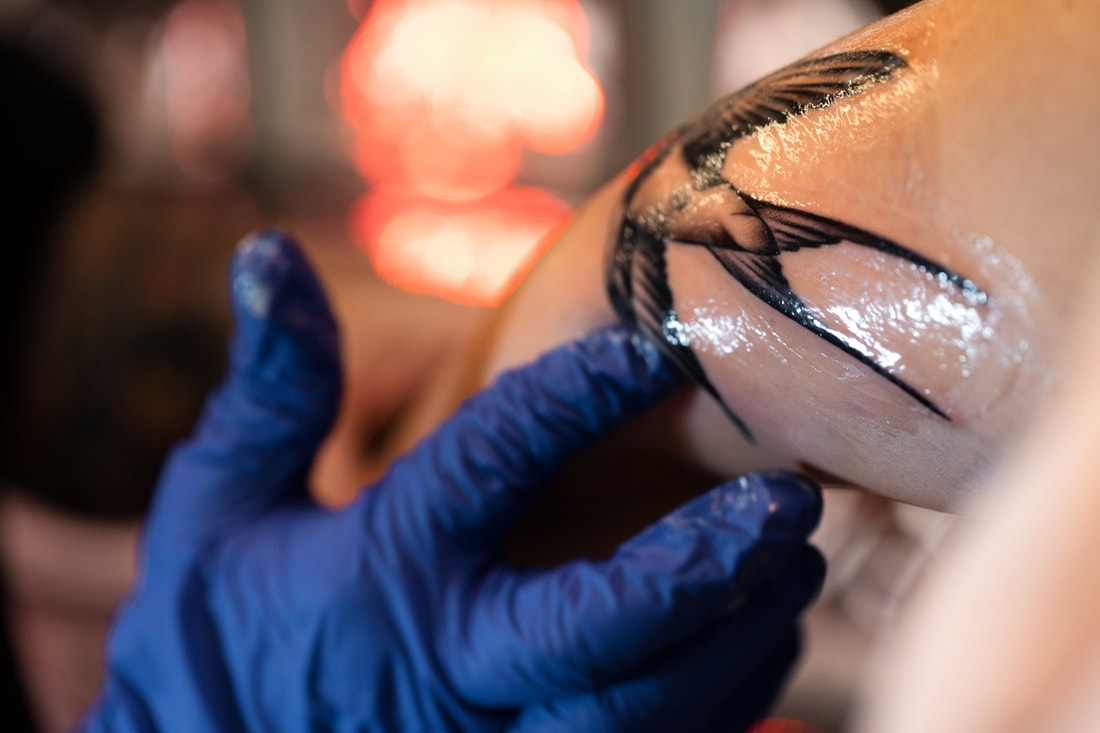
The moment the last needle stroke is complete and your artist wraps your fresh tattoo, a meticulous biological process begins. This isn't just about avoiding infection; it's about safeguarding the vibrancy, crispness, and longevity of the artwork now embedded in your skin. Think of it as the foundational training for a marathon, where the initial preparation dictates the ultimate success. Skipping steps or ignoring the subtle cues your body sends during these crucial weeks can lead to faded lines, patchy shading, or even necessitate costly and painful touch-ups down the line. A properly healed tattoo isn't just a mark on your skin; it's a testament to patience and diligent care, a living canvas that reflects the effort you invest in its preservation.
Immediately following your tattoo session, your skin enters a state of acute trauma. The sensation is akin to a moderate sunburn, often accompanied by a dull ache or throbbing, particularly in densely inked or sensitive areas like the inner bicep or ribs. Visually, the tattoo will appear vibrant, almost hyper-real, but also swollen and inflamed, with a noticeable redness extending an inch or two beyond the design's perimeter. This erythema is a natural inflammatory response, a sign that your immune system is already at work. You might also observe some minor weeping, a mixture of excess ink, plasma, and lymphatic fluid. This is entirely normal. Your artist will have likely applied a thin layer of antibacterial ointment and a sterile dressing, whether it's a traditional saran wrap or a more modern medical adhesive like Saniderm or Tegaderm. Regardless of the dressing type, expect it to remain on for a period ranging from a few hours to a day, depending on your artist's specific instructions.
Upon removal of the initial dressing, gentle cleaning becomes your primary directive. Using a mild, fragrance-free antibacterial soap and lukewarm water, carefully wash the tattooed area. Avoid abrasive cloths or sponges; your clean fingertips are the best tools. Patting the area dry with a fresh paper towel, rather than a fabric towel which can harbor bacteria, is crucial. Following this, a thin, almost imperceptible layer of a tattoo-specific aftercare balm or an artist-recommended moisturizer, such as A&D ointment or Aquaphor, should be applied. The key here is 'thin'—suffocating the tattoo with thick layers of product can hinder healing and potentially trap bacteria. During these first few days, the tattoo will remain tender to the touch, and the initial redness may persist, gradually subsiding by day three. Any excessive redness, warmth, pus, or streaks radiating from the tattoo could indicate an infection and warrants immediate consultation with your artist or a medical professional.
By the start of week two, the initial swelling and redness should have significantly diminished, signaling the commencement of the peeling phase, often deemed the most visually unsettling but entirely normal stage of healing. Your tattoo will likely appear duller, almost hazy, as the top layer of epidermal skin begins to exfoliate. This exfoliation won't mirror a sunburn peel; rather, it will manifest as translucent, ink-infused flakes that resemble dry, peeling skin. Resist the urge to pick or scratch at these flakes, as this can pull out ink and create patchy areas, compromising the integrity of your tattoo. Continuing with gentle washing and moisturizing is paramount during this period. The skin beneath the peeling layers will appear shiny and somewhat fragile, a clear indicator of the new, sensitive epidermis forming.
Texture-wise, the tattoo will feel tight and dry, sometimes accompanied by an intense itch. This itchiness is a sign of cellular regeneration and is perfectly normal, albeit irritating. Instead of scratching, a light patting or slapping of the area can provide relief. Some individuals may experience slight scabbing, particularly in areas with heavy saturation or deeper linework. Small, thin scabs are generally acceptable, but thick, raised scabs that resemble a burn scab are not and should be monitored closely, as they could indicate improper aftercare or an issue during the tattooing process. Continue to avoid prolonged water immersion, direct sunlight, and strenuous activities that could stretch or irritate the healing skin. By the end of week two, most of the flaking should have subsided, leaving behind a less irritated but still delicate tattoo.
As you transition into weeks three and four, the tattoo will begin to settle into its more permanent appearance, although complete healing is still weeks, if not months, away. The peeling and flaking should have ceased entirely, and the skin's surface will appear smoother and less fragile. However, the tattooed area might still retain a slightly glossy or 'silvery' sheen, especially in areas of dense black or color application. This is a common phenomenon indicative of the underlying skin layers still regenerating and is not a cause for concern. The texture of the tattoo should feel increasingly similar to the surrounding un-tattooed skin, albeit possibly with a very subtle raised quality over areas of heavy linework or deep color packing. This slight elevation, if present, typically resolves over several more weeks.
Any lingering itchiness during this period should be mild and infrequent. If intense itching, continued redness, or the appearance of new bumps or rashes emerges, it's crucial to consult with your artist or a healthcare professional, as these could signify an allergic reaction to the ink or a developing infection. Continue to moisturize regularly, as hydrated skin is vital for maintaining the vibrancy and health of your tattoo. Protection from UV radiation becomes increasingly important; while sun exposure should be avoided entirely during the initial healing phases, once the tattoo is no longer an open wound, the judicious use of a high-SPF sunscreen (50+) is essential for preventing premature fading and preserving the integrity of your design. During months 1-2, the tattoo is through the most crucial healing phase, but still considered 'new.'
By months two and three, your tattoo should be visually and texturally settled, representing itself as a fully integrated piece of artwork within your skin. The initial 'silvery' sheen will have completely disappeared, replaced by the true vibrancy and clarity of the ink. Colors will appear rich and true to their intended hues, and blackwork will be a deep, uniform obsidian. The lines should be crisp and sharp, and any shading or blending should exhibit a smooth, seamless transition. Texturally, the tattooed area should feel entirely indistinguishable from the surrounding un-tattooed skin. There should be no residual tenderness, puffiness, or persistent itchiness. At this stage, the tattoo is considered fully healed on the surface level, meaning the epidermal layers have completely regenerated and the ink is firmly embedded within the dermis.
However, it's important to understand that while the surface appears healed, the deeper layers of the dermis continue to settle and stabilize for several more months, even up to a year for very large or complex pieces. This prolonged internal healing doesn't typically manifest with noticeable visual cues. Your daily aftercare routine can transition to general skin health practices: consistent moisturizing with a good quality lotion and unwavering sun protection. Think of artists like Dr. Woo or Miryam Lumpini; their intricate, fine-line work or vibrant, color-packed designs demand meticulous aftercare to truly shine through this entire maturation period. Without this sustained care, the sharp details can soften, and the color saturation can diminish, detracting from the artist's original vision. This commitment ensures your tattoo remains a striking, long-lasting testament to its original artistry.
While most of the healing process is predictable, certain signs should never be dismissed. Excessive swelling that extends significantly beyond the tattoo's borders, particularly if accompanied by increasing pain or warmth, is a red flag. Pus, which can range in color from white to yellow or green and may have a foul odor, is a definitive indicator of infection and requires immediate medical attention. Red streaks radiating from the tattoo, often referred to as 'lymphangitis,' signal a potentially serious spreading infection. Fever or chills are systemic signs that your body is fighting a significant infection and warrant urgent medical care. Additionally, any unusual rashes, persistent severe itching beyond the normal healing phase, or blistering could indicate an allergic reaction to the ink, which, while rare, can have serious implications.
Another critical red flag is the presence of hard, raised, or painful lumps within or around the tattoo, which could suggest a granulomatous reaction or other inflammatory responses requiring medical evaluation. While some minor scabbing is normal, thick, raised, deeply colored scabs that persist for more than a week or two are not. Blowouts, where the ink spreads uncontrollably under the skin creating a blurred or bruised appearance, are typically a result of the artist going too deep and are unfortunately permanent, though can sometimes be improved with laser removal or cover-ups. If you experience any of these symptoms, do not hesitate to contact your tattoo artist for advice, but more importantly, seek professional medical help. Timely intervention can often prevent more serious complications and preserve the health of your skin and the integrity of your tattoo.
The journey of a new tattoo from a fresh wound to a fully integrated piece of art is a meticulous process demanding patience, diligence, and informed aftercare. Each week brings distinct changes, from the initial inflammation to the final settling of the ink. Respecting these stages and adhering to a consistent aftercare routine is not merely a recommendation; it's an investment in the longevity and aesthetic integrity of your tattoo. Just as a master craftsman perfects their art, you, as the caretaker, play a pivotal role in ensuring its enduring beauty.
Ultimately, a well-healed tattoo reflects not only the skill of your artist but also your commitment to its preservation. By understanding what’s normal and recognizing the warning signs that are not, you empower yourself to navigate the healing journey successfully, ensuring your cherished artwork remains a vibrant, lifelong testament to self-expression.