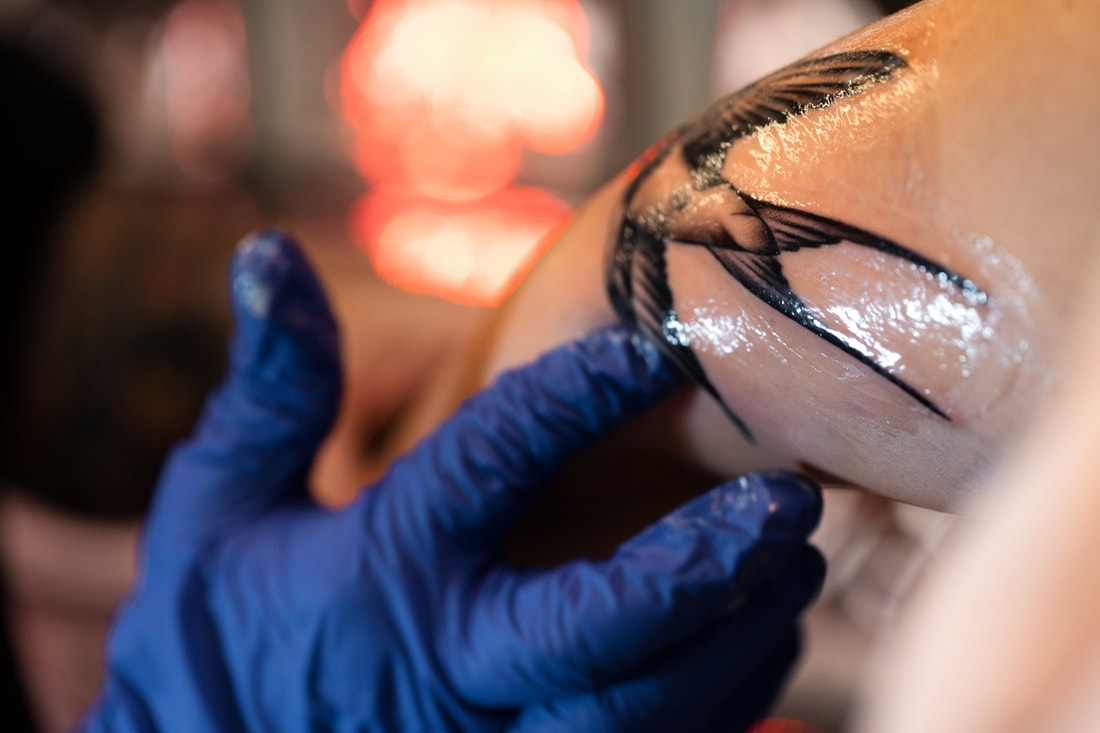
The thrill of fresh ink is undeniable, a vibrant testament to personal expression now etched onto your skin. Yet, the immediate aftermath often ushers in a period of intense scrutiny, where every microscopic change to your new tattoo can ignite a flicker of concern. For the uninitiated, or even the seasoned collector with a new artist or placement, the line between normal healing and a potential problem can feel incredibly thin. This guide aims to equip you with the knowledge and confidence to discern between the two, transforming that post-tattoo apprehension into informed observation. Your skin, the canvas, is undergoing a profound transformation, and understanding its language is the first step in ensuring a beautiful, healthy outcome. Let's demystify the nuances of tattoo healing, allowing you to not only protect your investment but also to appreciate the intricate biological process unfurling beneath the surface.
Scabbing is an intrinsic and absolutely vital part of the tattoo healing process. When a tattoo artist meticulously implants ink into the dermis, they are, in essence, creating thousands of microscopic puncture wounds. The body's immediate, natural response is to initiate hemostasis and wound closure. This involves platelets aggregating, forming a primary plug, followed by a cascade of coagulation factors that reinforce this plug into a more stable fibrin mesh – what we recognize as a scab. This protective barrier is Mother Nature's bandage, a robust shield designed to prevent pathogens from entering the open wound while allowing the underlying skin to regenerate.
Think of a scab as a temporary, organic dressing that plays a critical role in epidermal regeneration. Beneath its surface, specialized cells like fibroblasts are busy synthesizing collagen, and keratinocytes are migrating to re-establish the skin's barrier function. A healthy tattoo scab will typically be thin, translucent, and conform closely to the skin's surface. It might appear slightly discolored, perhaps a muted version of the tattoo's original hues, or take on an amber-brownish tint from dried plasma and blood. These scabs typically begin forming within 24-48 hours post-tattoo and will naturally flake or peel away over the course of 7-14 days for most tattoos, though larger or more densely packed areas can take up to three weeks to fully shed.
While some scabbing is normal, excessive crust formation can be a red flag. A thin, pliable layer of dried plasma and ink is expected, often described as a "second skin" or a very fine, almost papery texture. This usually occurs within the first few days and peels away in small, manageable flakes. However, thick, raised, and intensely colored scabs, particularly those that are noticeably hard or tightly adherent to the skin, warrant closer attention. These can sometimes occur if the artist overworked a particular area, causing excessive trauma, or if the tattoo was allowed to dry out aggressively during the initial stages of healing.
Overly thick scabs can impede proper healing by creating an oxygen-deprived environment beneath them, which can potentially harbor anaerobic bacteria. Furthermore, when these substantial scabs eventually detach, they carry with them more pigment, leading to patchy or faded areas in the tattoo. If you notice scabs that mimic the texture and thickness of a deep cut scab, rather than the delicate shedding of new skin, it's a departure from the ideal healing trajectory and a potential cause for concern, though not necessarily an infection on its own. It's often an indicator that the skin experienced more trauma than necessary, possibly impacting the final appearance of the tattoo.
An infected tattoo often presents with a distinctive and unpleasant odor that deviates sharply from the neutral or faint, clean smell of healthy healing skin. While some mild, metallic, or plasma-tinged scent might be present for the first day or two post-tattoo, an infected site will typically emit a foul, putrid, or intensely musky smell. This unpleasant aroma is a direct result of bacterial proliferation and the metabolic byproducts they release as they break down tissues.
For instance, a Pseudomonas aeruginosa infection might produce a sweet, grape-like smell, while a Staphylococcus aureus infection could yield a more pungent, almost rotten odor. This smell is often one of the earliest and most telling signs of infection, appearing even before significant visual changes like extensive pus. If you lift your protective film or gently approach your healing tattoo and are greeted by an unequivocally noxious odor, it is a strong indicator that bacterial growth is unchecked and professional medical attention is advised.
Beyond smell, the visual cues of an infected tattoo are often pronounced and progressive. Unlike the typical mild redness and swelling that subsides within 48-72 hours, an infection will present with escalating warmth, intense redness (often spreading beyond the tattoo's borders in streaks), and significant, persistent swelling. One of the most definitive visual indicators is the presence of pus, which is a thick, opaque fluid ranging in color from milky white to yellow, green, or even brown. This discharge, unlike clear plasma, is indicative of a robust immune response battling a bacterial invader. Look for streaks, known as lymphangitis, radiating from the tattoo, which signify the infection spreading through the lymphatic system. Necrosis, or localized tissue death, can also manifest as dark, sunken areas with a leathery texture, indicating a severe and rapidly progressing infection.
While localized warmth and a low-grade fever (up to 100.4°F or 38°C) can be part of the body's generalized inflammatory response to a new wound, a persistent or escalating fever is a critical warning sign of systemic infection. A temperature exceeding 101°F (38.3°C), particularly when accompanied by chills, body aches, and general malaise, strongly suggests that the infection is no longer confined to the tattoo site but is spreading throughout the bloodstream. This is a medical emergency and requires immediate attention.
The body's immune system, when overwhelmed, orchestrates a systemic response designed to combat the spreading pathogens. This 'fight or flight' mechanism often manifests as a fever, an evolutionary defense to create an unfavorable environment for bacterial replication. Ignoring such a fever risks severe complications, including sepsis, a life-threatening condition caused by the body's overwhelming response to an infection. Do not hesitate to seek emergency medical care if you experience a high or sustained fever after getting a tattoo, especially if combined with other signs like significant pain, swelling, or purulent discharge from the tattoo site.
Preventing infection begins the moment you choose your artist and studio. Insist on a licensed, reputable establishment that adheres to strict sterilization protocols. Observe their practices: do they unwrap new, sterile needles in front of you? Are they wearing fresh gloves throughout the entire process? These are non-negotiables. Following your artist's aftercare instructions precisely is the second pillar of prevention. While advice can vary slightly between artists, core principles remain consistent: gentle cleaning with an unscented, antibacterial soap (like Dial Gold or Dr. Bronner's Baby Unscented) 2-3 times a day, followed by careful drying and a thin layer of reputable aftercare ointment (such as A&D, Aquaphor, or specialized tattoo balms).
Avoid common pitfalls that increase infection risk: resist the urge to pick or scratch your peeling tattoo, as this introduces bacteria and can pull out ink. Never submerge a fresh tattoo in baths, pools, or hot tubs for at least two to four weeks – standing water is a breeding ground for bacteria. Protect your tattoo from direct sunlight, which can damage healing skin and fade ink. Keep pets away from your tattoo, as their fur and saliva harbor bacteria. Even seemingly innocuous actions, like wearing tight clothes that chafe the tattoo, can create an environment conducive to infection. Diligence during these crucial initial weeks is your strongest defense against complications, safeguarding both your health and the longevity of your new artwork.
Distinguishing between the normal phases of tattoo healing and an impending infection is crucial for the health of your skin and the preservation of your artwork. While some mild redness, swelling, and itchiness are typical in the first few days, and thin, flaky scabbing is expected for up to three weeks, vigilance is key. If you encounter escalating pain that throbs or burns, intense, spreading redness, significant and persistent swelling, a foul odor, or any pus-like discharge—especially if accompanied by a fever—do not hesitate. These are unequivocal signals that your body is fighting an infection. Seek professional medical advice from a doctor or dermatologist immediately. Early intervention is paramount, as a swiftly treated infection can often be resolved with minimal impact on your tattoo's integrity. Remember, an ounce of prevention, through meticulous aftercare and a reputable artist, is worth a pound of cure, ensuring your beautiful new tattoo heals flawlessly and remains a source of pride for years to come.