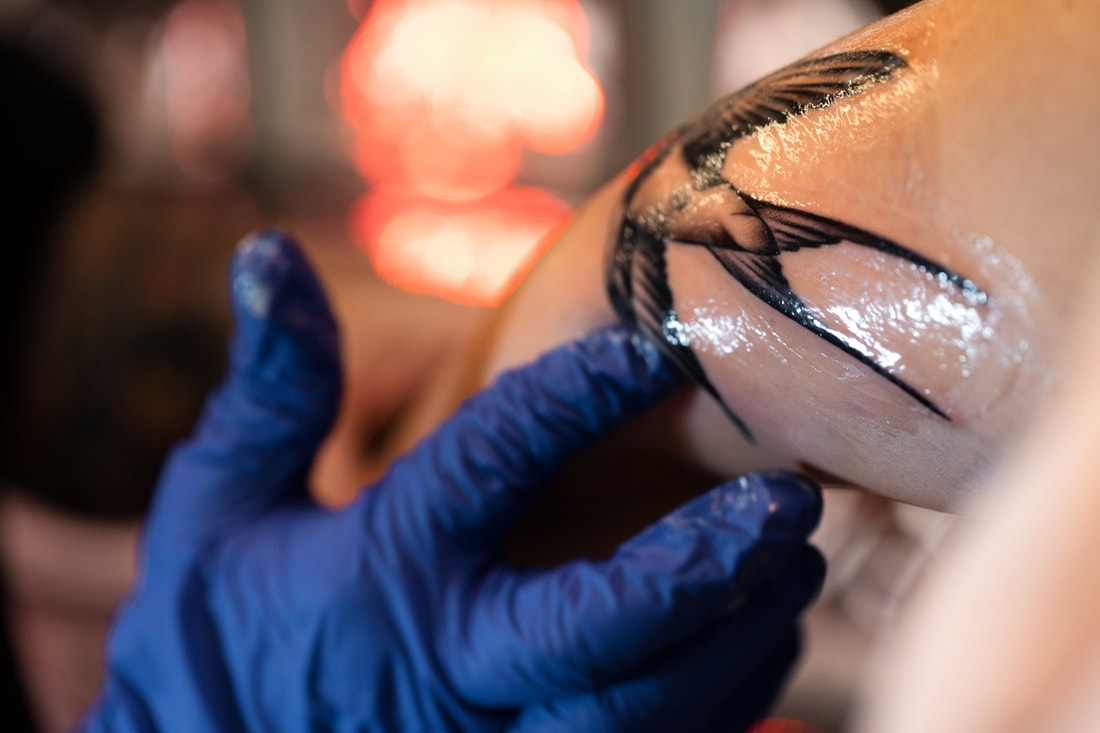
The Sweat and Strain Equation: Why Your Tattoo Needs a Time-Out
The vibrant allure of fresh ink often clashes with the visceral pull of a well-earned workout. It’s a common dilemma: how do you balance the commitment to your fitness regimen with the delicate needs of a healing tattoo? This isn't merely about inconveniently skipping a few gym sessions; it’s about safeguarding a significant artistic and personal investment. Rushing back into high-impact activities too soon can jeopardize the crisp lines, rich colors, and overall longevity of your new body art, turning a masterpiece into a mottled memory. Understanding the precise interplay between sweat, friction, and skin elasticity is paramount. Ignore the nuanced demands of a healing tattoo at your own peril, as even a seemingly innocuous stretch or a bead of sweat in the wrong place can lead to undesirable complications.
Infection Aversion: The Perils of Early Perspiration
At its core, a fresh tattoo is an open wound. Hundreds, if not thousands, of microscopic punctures have been made in your epidermis and dermis, each one a tiny portal susceptible to infection. The ink, now nestled within these layers, needs time to settle and for the surrounding tissue to knit itself back together. This initial healing phase, typically lasting two to four weeks, is the most critical. During this period, your body is working overtime to prevent pathogens from entering and to securely encapsulate the pigment. Introducing excessive sweat, especially in a gym environment teeming with bacteria, significantly elevates the risk of infection. Staphylococcus aureus, a common gym inhabitant, is particularly unwelcome in a fresh tattoo, capable of causing localized infections that can distort lines and create patchy color, ultimately impacting the aesthetic integrity of the piece.
The Friction Factor: Protecting Your Investment from the Grind
Friction is arguably the most insidious enemy of a new tattoo. It’s not just about direct rubbing; even the subtle movement of clothing against the skin can abrade the delicate scabs and newly forming epidermis. Consider a bicep tattoo: every curl, every press, every swing of the arm creates micro-shearing forces between your skin and your workout apparel. For a back piece, leaning against a bench or even the repeated action of a rowing machine can have detrimental effects. This constant mechanical stress can dislodge scabs prematurely, pulling out ink along with them and leading to faded, splotchy areas that will inevitably require touch-ups. Moreover, friction can irritate the sensitive skin, perpetuating inflammation and prolonging the healing process, pushing back your return to a full-intensity workout even further.
The Stretch Test: When Movement Becomes a Menace
Bodily contortions, while excellent for flexibility and strength, can be detrimental to a healing tattoo, particularly in areas prone to stretching. Imagine a large scale back piece or a intricate design sprawling across a bending joint like the inner elbow or knee. Intense stretching, common in activities like yoga, Pilates, or even heavy lifting that engages a wide range of motion, can pull at the healing skin, potentially reopening wounds or distorting the artwork. This is especially true in the first 7-10 days, when the skin is most fragile. A tattoo on a flexed joint can experience micro-tears, leading to scarring and uneven ink distribution. Artists meticulously design tattoos to account for the natural contours of the body, but aggressive stretching during the critical healing phase can override even the most thoughtful placement, resulting in a compromised visual outcome.
Cardio Caution: When Your Heart Rate Harms Your Healing
When eyeing that spin class or gearing up for a morning run, remember that increased blood flow, while generally beneficial, can be a double-edged sword for a new tattoo. Elevated heart rates and the subsequent dilation of blood vessels can lead to increased swelling and inflammation in the tattooed area, exacerbating discomfort and potentially delaying healing. Furthermore, the constant jostling and friction that accompanies high-impact cardio like running can be particularly damaging. A large thigh piece, for instance, subject to the repetitive rub of running shorts, is at high risk for irritation and ink loss. The sheer volume of sweat generated during these activities also presents a prime breeding ground for bacteria, directly challenging the integrity of the healing skin. Low-impact alternatives, such as a leisurely walk or a session on an elliptical at a moderate pace, might be more prudent in the early stages.
Placement Predicaments: Tailoring Your Workout to Your Tattoo's Locale
For those whose tattoos adorn areas like the rib cage, stomach, or lower back—places intimately involved in core strength and flexibility—a modified approach to strength training is non-negotiable. Lifting heavy weights that engage these abdominal and back muscles can cause significant stretching and stress on the healing skin. A new tattoo on the obliques, for example, will be directly impacted by rotational movements and side bends. Similarly, a sternum or chest piece will feel the strain of every push-up and bench press. The safest course of action involves temporarily avoiding exercises that directly impact the tattooed area and opting for isolation exercises or machines that minimize skin distortion.
Bottom Line: Listening to Your Body and Your Tattoo
The decision to return to your regular workout routine is not a universal pronouncement but a highly personalized one, dictated by your body's unique healing capabilities and the nuances of your specific tattoo. Look for clear signs: the absence of scabbing, a smooth and supple skin texture, and a complete lack of redness or tenderness. A fully healed tattoo should look and feel integrated into your skin, rather than sitting on top of it like an external application. When in doubt, err on the side of caution. A few extra days of rest for your tattoo is a small price to pay for a lifetime of vibrant, unblemished art. Consulting with your tattoo artist, who possesses intimate knowledge of their inks and techniques, can also provide invaluable guidance on the optimal timeline for your return to the gym.